
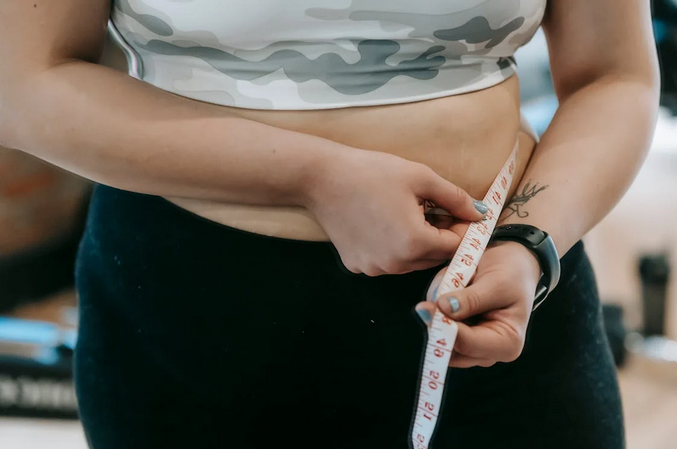
In recent years, fat-freezing treatments have surged in popularity, promising a non-invasive solution to stubborn fat that doesn’t respond to diet or exercise. Marketed as a safer alternative to liposuction, these procedures use controlled cooling to target and eliminate fat cells. But while the results can be appealing, many people still wonder: Are fat-freezing treatments actually safe? We asked a doctor to explain what’s really going on under the skin.
The Science Behind Fat-Freezing
Fat-freezing, medically known as cryolipolysis, is a technique designed to reduce fat in specific areas by applying cold temperatures. The process works because fat cells are more sensitive to cold than surrounding tissues. When exposed to low temperatures for a certain period, fat cells begin to break down and are gradually eliminated by the body’s lymphatic system. If you’ve been wondering how fat-freezing treatments work, they essentially rely on this selective cold-induced damage to shrink localized fat pockets over time—usually several weeks to months.
Is Fat-Freezing Approved by Medical Experts?

The most well-known fat-freezing procedure, CoolSculpting, has been FDA-cleared for several treatment areas, including the abdomen, thighs, flanks, and under the chin. According to board-certified dermatologists, these procedures are generally considered safe when performed by trained professionals using FDA-approved devices. The safety profile of cryolipolysis is backed by numerous clinical studies, which show low complication rates and few long-term risks. However, not all machines on the market are FDA-cleared, so it’s crucial to choose a reputable provider.
What Are the Common Side Effects?
Though non-surgical, fat-freezing treatments aren’t completely risk-free. Most patients experience temporary side effects such as redness, swelling, numbness, or mild discomfort in the treated area. These symptoms usually subside within a few days to a couple of weeks. In rare cases, a condition called paradoxical adipose hyperplasia (PAH) can occur, where fat cells enlarge instead of shrinking. PAH is more common in men and may require surgical intervention to correct. This is why discussing potential risks with a licensed medical professional beforehand is essential.
Who Should Avoid Fat-Freezing Treatments?
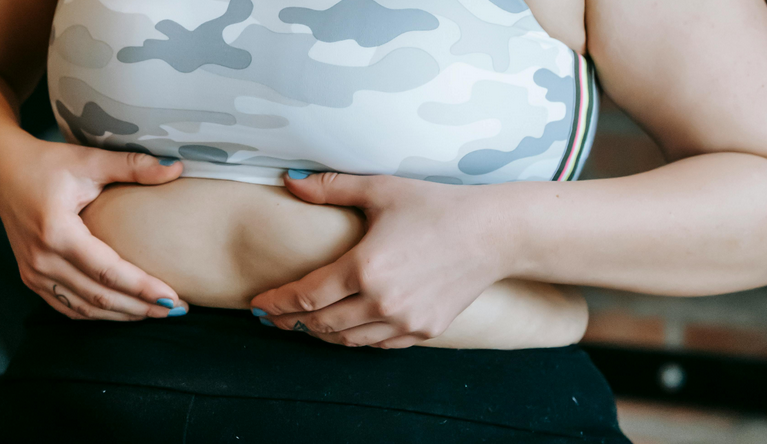
Fat-freezing is best suited for people who are already close to their ideal weight and looking to target specific “problem” areas. It’s not a weight-loss solution or a substitute for a healthy lifestyle. People with certain medical conditions, such as cold agglutinin disease, cryoglobulinemia, or paroxysmal cold hemoglobinuria, should avoid this procedure altogether, as the cold exposure could trigger serious reactions. Pregnant women and individuals with loose skin rather than fat deposits may also not be good candidates.
How to Choose a Safe Provider
Selecting a qualified provider is one of the most important steps in ensuring a safe and effective treatment. Look for clinics that offer FDA-approved technology and are run by board-certified dermatologists, plastic surgeons, or trained medical staff. During your consultation, ask about the equipment being used, the number of treatments you might need, and any risks specific to your body type or medical history. Avoid heavily discounted deals from unverified providers, as the use of subpar machines can lead to poor results or even complications.
Fat-freezing can be a safe and effective option for those looking to reduce stubborn fat without surgery, but it’s not a one-size-fits-all solution. While many people experience noticeable results with minimal downtime, the procedure carries some risks and limitations. Speaking with a qualified doctor is the best way to determine whether it’s the right choice for your goals and health profile. As with any cosmetic treatment, informed decisions lead to better outcomes—and peace of mind.…

 It is important to know the importance of metabolism in weight loss. Many factors can cause weight gain. A slow metabolism is one of them. Your metabolism can be affected by factors such as age, muscle mass and physical activity, as well as hormonal changes.
 Low calorie diets can affect your energy levels. Low calorie diets can make you feel tired and unable to focus on your workouts. When you feel tired, you won’t be able to complete daily tasks efficiently. PhenQ ensures that you won’t have to worry about these problems if you take it regularly.
 Safety should be the top concern when buying a supplement. PhenQ is safe because it is made from natural and high quality ingredients. There are no side effects. It contains no harmful chemicals that can cause harm to your body. Side effects are nothing to worry about as long as you follow the recommended dosage.