
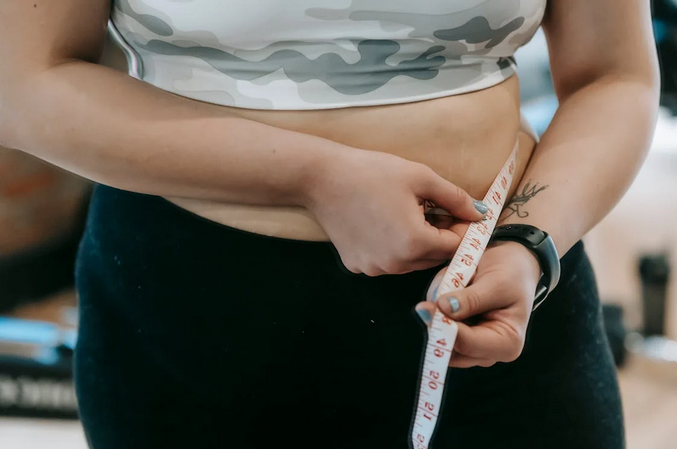
In recent years, fat-freezing treatments have surged in popularity, promising a non-invasive solution to stubborn fat that doesn’t respond to diet or exercise. Marketed as a safer alternative to liposuction, these procedures use controlled cooling to target and eliminate fat cells. But while the results can be appealing, many people still wonder: Are fat-freezing treatments actually safe? We asked a doctor to explain what’s really going on under the skin.
The Science Behind Fat-Freezing
Fat-freezing, medically known as cryolipolysis, is a technique designed to reduce fat in specific areas by applying cold temperatures. The process works because fat cells are more sensitive to cold than surrounding tissues. When exposed to low temperatures for a certain period, fat cells begin to break down and are gradually eliminated by the body’s lymphatic system. If you’ve been wondering how fat-freezing treatments work, they essentially rely on this selective cold-induced damage to shrink localized fat pockets over time—usually several weeks to months.
Is Fat-Freezing Approved by Medical Experts?

The most well-known fat-freezing procedure, CoolSculpting, has been FDA-cleared for several treatment areas, including the abdomen, thighs, flanks, and under the chin. According to board-certified dermatologists, these procedures are generally considered safe when performed by trained professionals using FDA-approved devices. The safety profile of cryolipolysis is backed by numerous clinical studies, which show low complication rates and few long-term risks. However, not all machines on the market are FDA-cleared, so it’s crucial to choose a reputable provider.
What Are the Common Side Effects?
Though non-surgical, fat-freezing treatments aren’t completely risk-free. Most patients experience temporary side effects such as redness, swelling, numbness, or mild discomfort in the treated area. These symptoms usually subside within a few days to a couple of weeks. In rare cases, a condition called paradoxical adipose hyperplasia (PAH) can occur, where fat cells enlarge instead of shrinking. PAH is more common in men and may require surgical intervention to correct. This is why discussing potential risks with a licensed medical professional beforehand is essential.
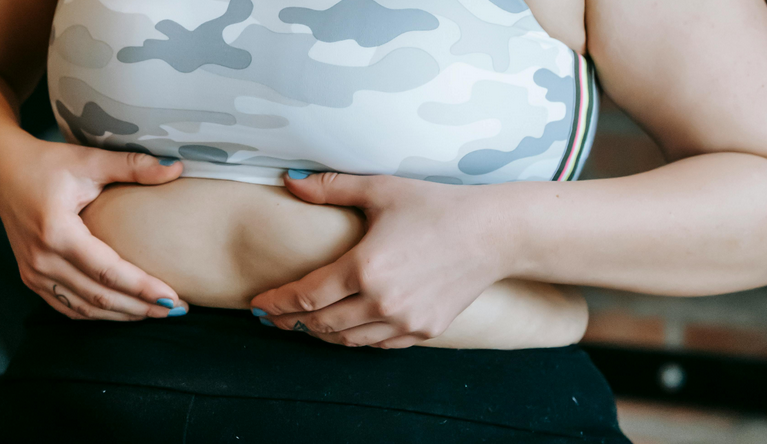
Who Should Avoid Fat-Freezing Treatments?
Fat-freezing is best suited for people who are already close to their ideal weight and looking to target specific “problem” areas. It’s not a weight-loss solution or a substitute for a healthy lifestyle. People with certain medical conditions, such as cold agglutinin disease, cryoglobulinemia, or paroxysmal cold hemoglobinuria, should avoid this procedure altogether, as the cold exposure could trigger serious reactions. Pregnant women and individuals with loose skin rather than fat deposits may also not be good candidates.
How to Choose a Safe Provider
Selecting a qualified provider is one of the most important steps in ensuring a safe and effective treatment. Look for clinics that offer FDA-approved technology and are run by board-certified dermatologists, plastic surgeons, or trained medical staff. During your consultation, ask about the equipment being used, the number of treatments you might need, and any risks specific to your body type or medical history. Avoid heavily discounted deals from unverified providers, as the use of subpar machines can lead to poor results or even complications.
Fat-freezing can be a safe and effective option for those looking to reduce stubborn fat without surgery, but it’s not a one-size-fits-all solution. While many people experience noticeable results with minimal downtime, the procedure carries some risks and limitations. Speaking with a qualified doctor is the best way to determine whether it’s the right choice for your goals and health profile. As with any cosmetic treatment, informed decisions lead to better outcomes—and peace of mind.…





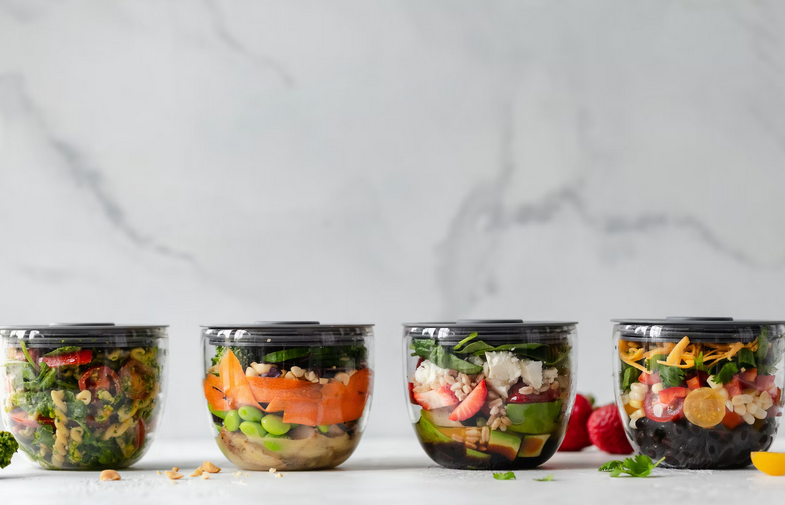
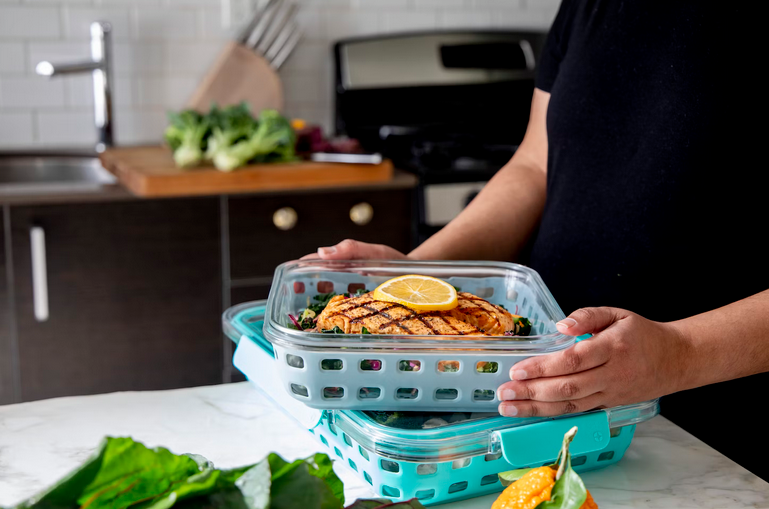
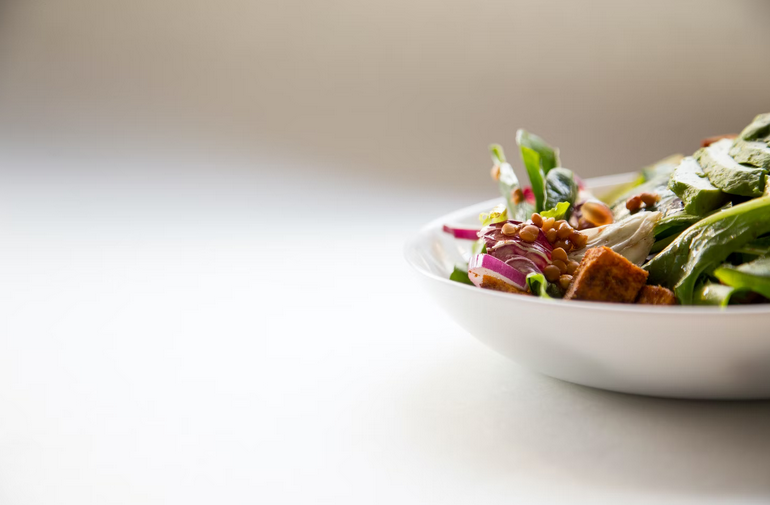
 An often-overlooked benefit of meal planning is its ability to reduce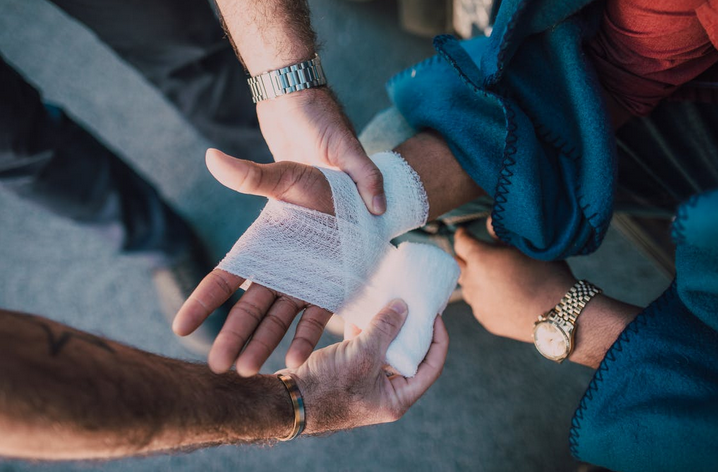
 When providing first aid, one of the most vital considerations is to clean your hands. It will aid in the prevention of infection spreading. Hand sanitizer with alcohol or water and soap are also acceptable options. Ensure that you thoroughly cleanse your hands when administering first aid services. It will aid in guaranteeing you don’t transfer any infection to other people around you.
 Another misstep to overcome is not putting on your gloves. Gloves will help to keep you from coming into touch with bodily fluids while you are working. You should avoid touching the person’s wound if you don’t have gloves. If you have to feel the person’s injuries, make sure to wash your hands afterward properly.
 You can’t go wrong with a simple white wine pairing for seafood. Steamed or poached fish are great choices because the dish’s flavors won’t overwhelm the taste of your wine – all you’ll be able to taste is its light citrus flavor. Or try smoked salmon! This will give your palate an exciting contrast between smoky and sour flavors, and a sweeter wine like Gewürztraminer will balance the slightly bitter taste. Shrimp is another seafood that goes well with white wines – especially champagne! It has a spiciness that can be complemented by sparkling wines with their hints of fruit flavor.
 Spring foods like asparagus, peas, and artichokes are delicate in flavor, so they pair well with white wines. Pinot Gris is an excellent choice for dishes that combine both meat and vegetable flavors; it’ll give your palate hints of lime juice which will be refreshing after the richer tastes you get from meats like pork loin and lamb chops.
 When you are looking for a sober living home for women, it is essential to ask about the treatments and programs. Make sure that the facility offers a variety of therapies, such as individual therapy, group therapy, and family therapy.

 Water is good for your skin and internal organs. Many studies show that drinking enough water makes your skin glow. Pure water can improve the elasticity and complexion of the skin. This advantage might be more apparent to women. However, it is beneficial for both men and women. Thus, it would be better to install a water filtration system in your house.
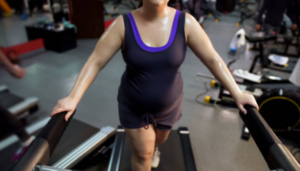 It is important to know the importance of metabolism in weight loss. Many factors can cause weight gain. A slow metabolism is one of them. Your metabolism can be affected by factors such as age, muscle mass and physical activity, as well as hormonal changes.
 Low calorie diets can affect your energy levels. Low calorie diets can make you feel tired and unable to focus on your workouts. When you feel tired, you won’t be able to complete daily tasks efficiently. PhenQ ensures that you won’t have to worry about these problems if you take it regularly.
 Safety should be the top concern when buying a supplement. PhenQ is safe because it is made from natural and high quality ingredients. There are no side effects. It contains no harmful chemicals that can cause harm to your body. Side effects are nothing to worry about as long as you follow the recommended dosage.
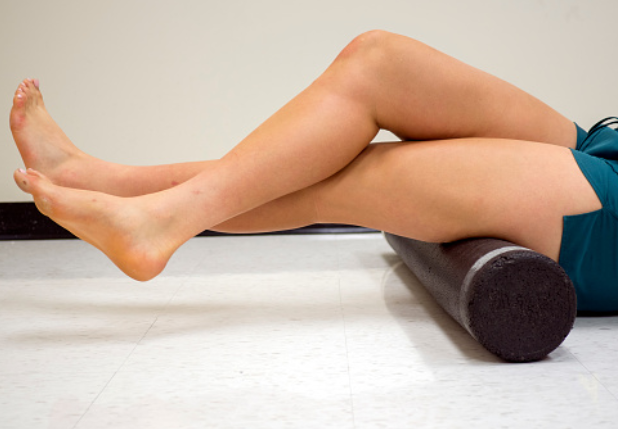
 After workouts, the body needs the energy to recover and replenish depleted muscle glycogen. It demands that energy be obtained from any available source. It often means that the body can break down amino acids in the muscles, which leads to muscle wasting. This supplement revitalizes the body with carbohydrates that are significant for nutrition. Also, it generates fast-acting proteins that play a role in carrying amino acids. People need to be more aware when choosing supplements. Therefore, they won’t encounter severe issues to their health and body in the future.…
 Among other types, the liquid extract of kratom is best to use for pain relievers. It acts as a sedative for chronic pain. As a natural plant-based, this product has known to be relatively safe and free of harmful side effects. However, it is crucial to note that different forms of kratom leaves have varying degrees of effectiveness, making it quite difficult to prescribe a specific dosage to treat similar ailments. Liquid kratom is a bit stronger than its powdered form, as it can easily get absorbed into your body system.
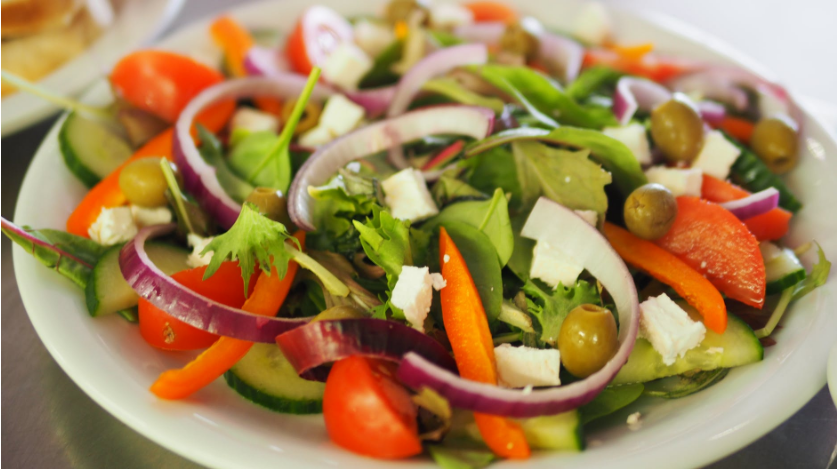

 Meat in the United States is consumed all over the country, of course, but the Midwest region leads the country. From Montana to Texas, beef, chicken, and other red meats and fish are consumed practically on a daily basis.
  The most prominent issue is the lack of essential proteins, abundant in red meat.