
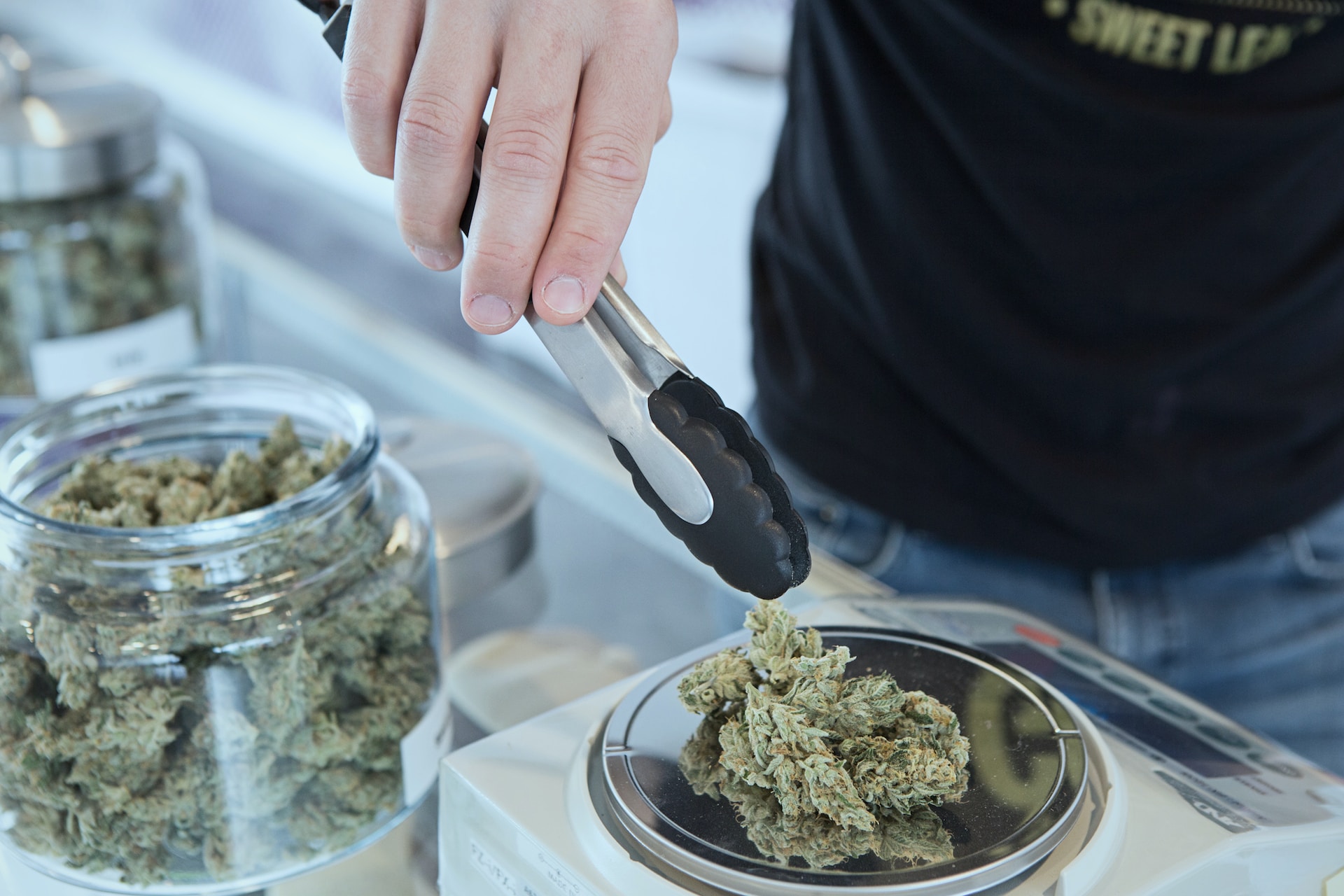
Cannabis, with its myriad of compounds, has long fascinated researchers for its potential health benefits. Among these compounds, THCA, or tetrahydrocannabinolic Acid, has been a subject of increasing interest. One aspect that makes THCA unique is its interaction with the endocannabinoid system in the human body. In this article, we’ll explore the fascinating connection between THCA and the endocannabinoid system. For more information, visit https://thcaflowerforsale.com/.
The Endocannabinoid System: Your Body’s Regulator
 Before we delve into THCA’s interaction with the endocannabinoid system, let’s understand the system itself. The endocannabinoid system (ECS) is a complex cell-signaling system that plays a vital role in regulating various physiological and cognitive processes, including mood, pain perception, appetite, immune function, and inflammation. The ECS works by maintaining homeostasis or balance in the body.
Whenever there’s an internal or external trigger that disrupts this balance, the ECS kicks into action to restore equilibrium. For instance, when you’re feeling anxious, your ECS comes to the rescue by releasing endocannabinoids to calm you down.
The Endocannabinoid system comprises three main components:
- Endocannabinoids: These are naturally occurring compounds produced by the human body. Anandamide and 2-AG (2-arachidonoylglycerol) are two well-known endocannabinoids.
- Receptors: There are two primary types of receptors in the ECS: CB1 receptors, primarily located in the brain and central nervous system, and CB2 receptors, found in the peripheral nervous system and immune cells.
- Enzymes: Enzymes, like fatty acid amide hydrolase and monoacylglycerol lipase, break down endocannabinoids after they’ve carried out their function.
The primary role of the ECS is to maintain balance or homeostasis in the body. When something is amiss, such as inflammation or pain, the ECS is activated to help restore equilibrium.
THCA: The Non-Psychoactive Precursor
THCA is a precursor to THC, the psychoactive compound found in cannabis. Unlike THC, THCA is non-psychoactive, meaning it won’t produce the “high” typically associated with cannabis. THCA exists in raw, unheated cannabis plants. It’s only when heat is applied, such as through smoking or cooking, that THCA converts into THC. This process is called decarboxylation, and it’s this transformation that gives THCA its unique interaction with the endocannabinoid system.
In Conclusion
 The interaction between THCA and the endocannabinoid system is a fascinating area of research, and its potential health benefits hold promise. As science continues to unveil the secrets of these compounds, it’s essential to use THCA responsibly and under the guidance of a healthcare professional when considering its potential role in your health and wellness journey.…

 There’s nothing better than moving forward on your
  Can you imagine all of your friends being so jealous when you come back from vacation looking even better than before? If you work out while traveling, that’s precisely what will happen. You’ll come back feeling great – and looking even better. So don’t forget to pack your workout clothes the next time you hit the road. Plus, there are plenty of other reasons to work out while traveling.

 Whether you’re in mobile software development (Android or even iOS) or web software development, security will always be a priority. Therefore, it will be helpful to understand the compliance framework to adhere to the basic rules and regulations. When creating your custom software solutions, here are some points to ensure HIPAA compliance.
 The program must authenticate itself after a certain period of inactivity. Here is a quick checklist for you and quick security steps for your application/software. First of all, the program can mechanically log off after a certain period of inactivity. PHI should not be stored in incredibly vulnerable copies and log documents.